Coverage sets the baseline
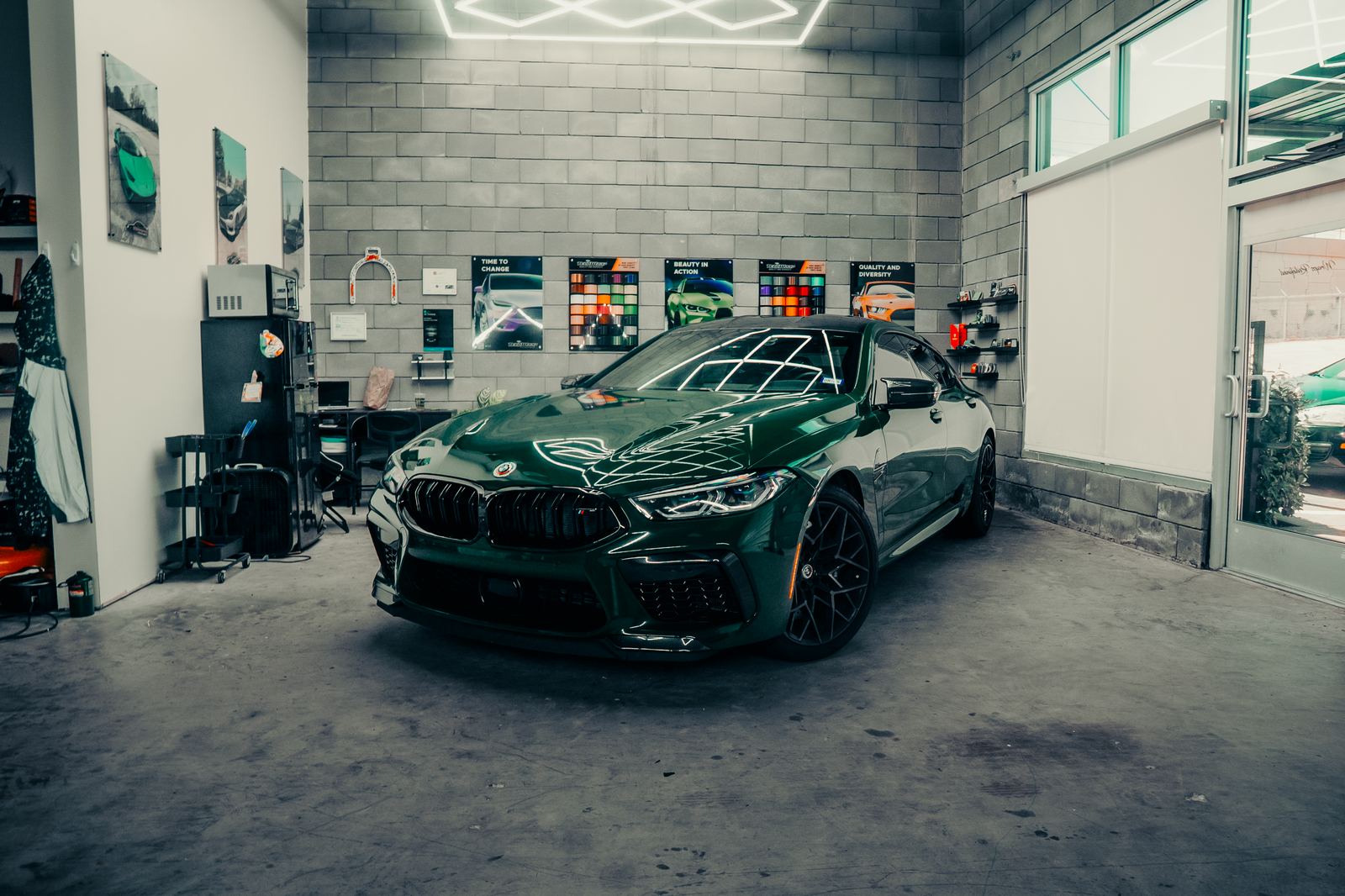
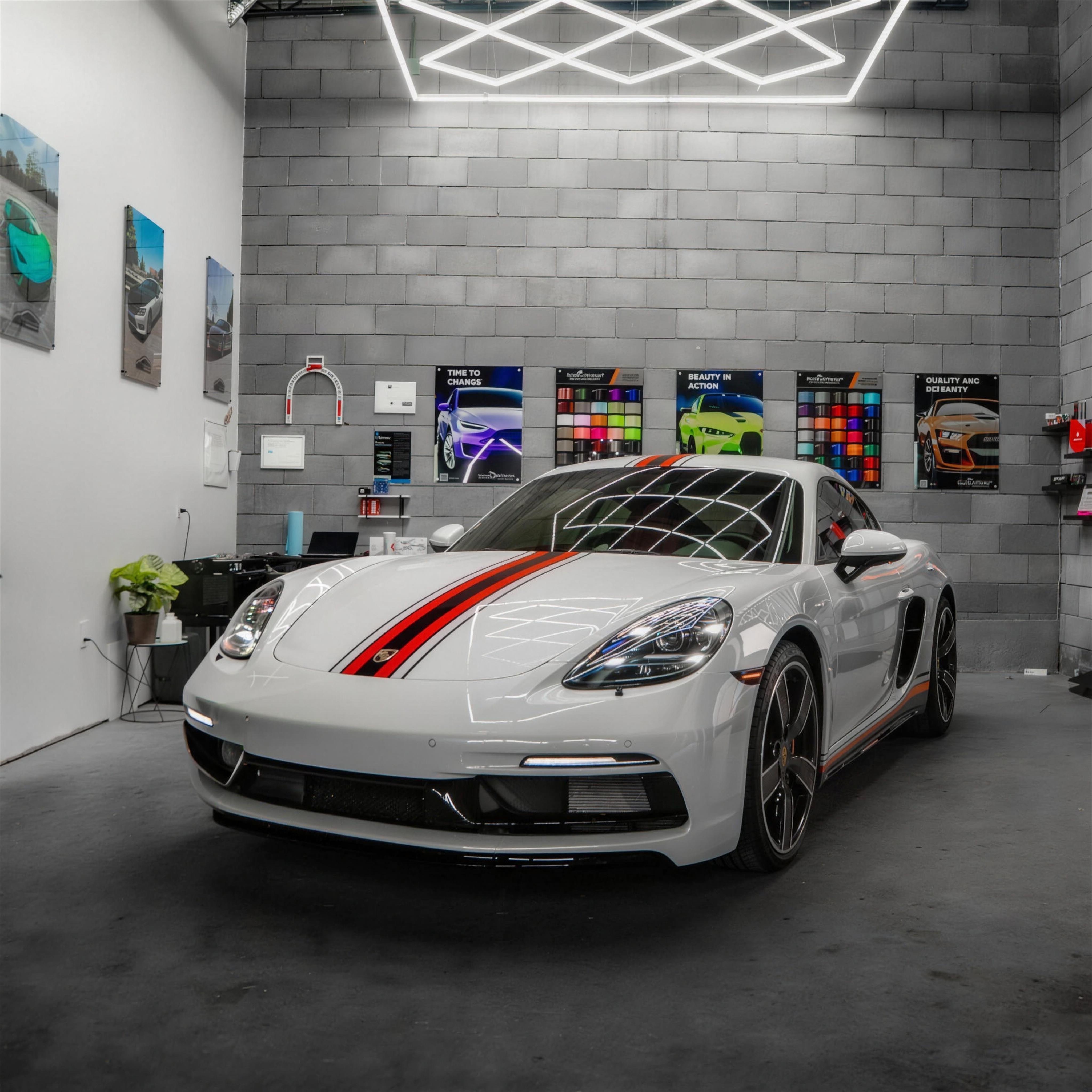
The biggest cost lever is how much of the vehicle gets film. A front end package covering the bumper, hood, fenders and mirrors protects the zones that take most of the abuse and is the most common starting point. Full body coverage protects every painted panel and costs a multiple of the front end, which is why it is most popular on exotics, luxury vehicles, and cars their owners intend to keep. We quote both side by side at our PPF page so you can compare.
Film choice moves the number
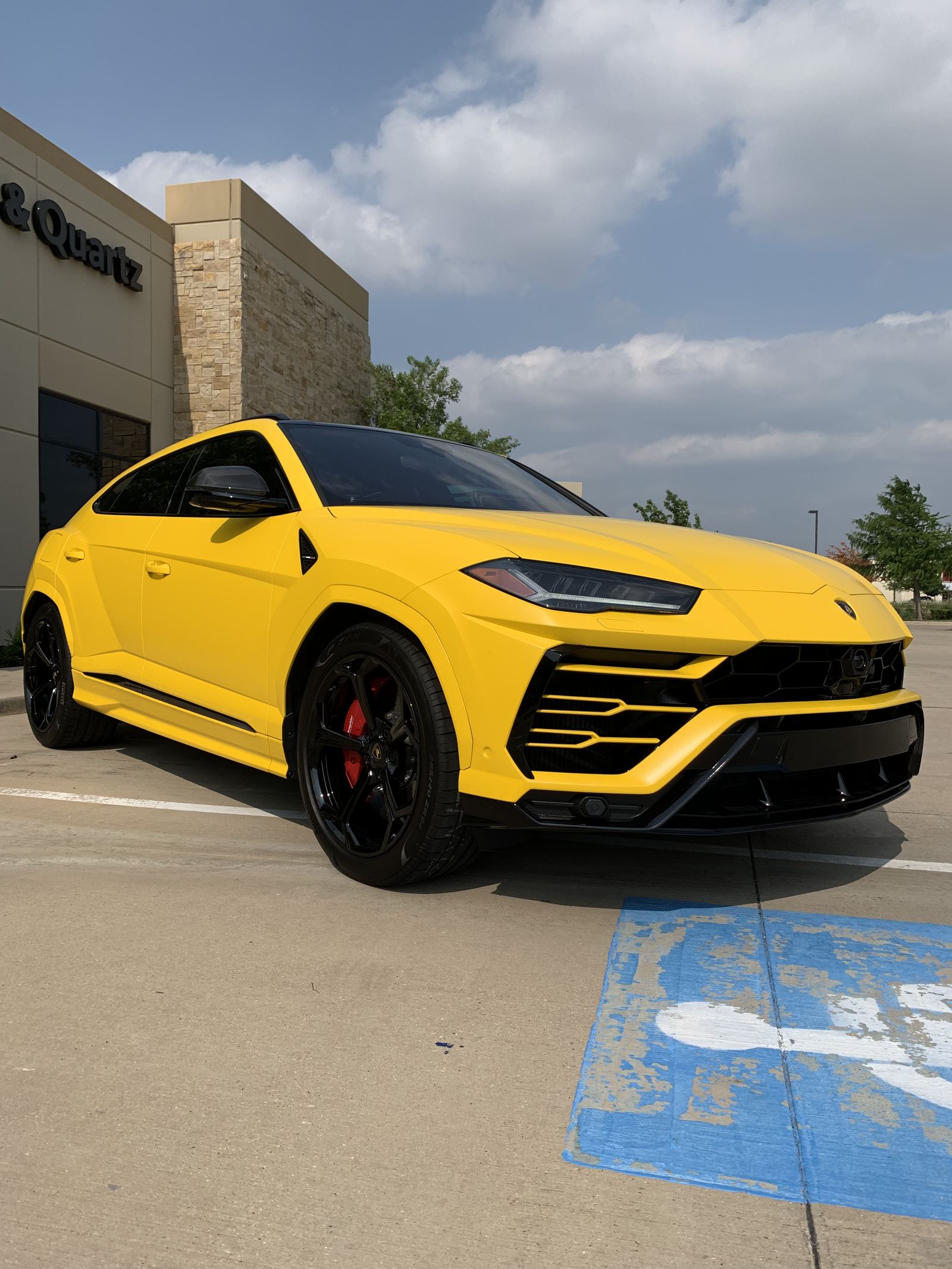
Clear gloss PPF is the baseline. Matte film that converts a gloss car to a satin stealth finish sits above it, and colored PPF, which changes the color while protecting the paint, is the premium tier because one film does two jobs. As a STEK USA preferred installer, we work with hydrophobic, self healing films in all three lanes.
Complexity is the quiet factor
Aggressive aero, sensors, deep body lines, and panels that demand disassembly add install hours. Paint condition adds prep time: film locks in whatever is under it, so correction happens first. This is also why identical-sounding quotes can hide very different work; ask any shop what prep is included.
Why PPF pays for itself
A quality front end respray costs serious money and never quite matches factory paint. Film that absorbs those chips for years, then peels off clean, protects both the finish and the resale story. On thin-paint vehicles, Teslas and Cybertrucks included, that math gets even easier.
For an accurate number, send the vehicle and the coverage you are considering through the quote form. Comparing against a wrap first? Read vinyl wrap vs PPF.